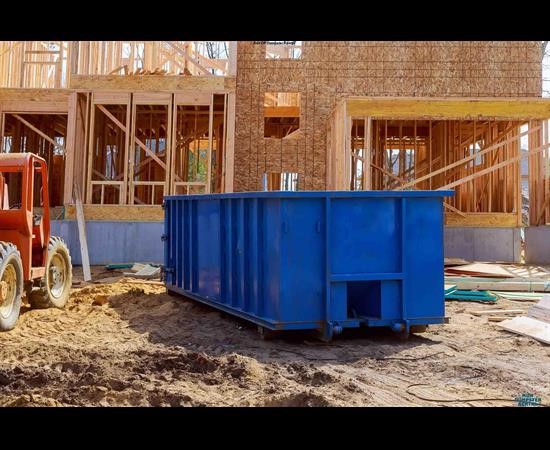
A Roll Off Dumpster Rental is one of the most convenient ways to dispose of waste. They are ideal for a variety of projects, including household clean-ups, remodeling projects, and construction and landscaping projects. Accurate Waste Services delivers and removes roll-off dumpsters, making the process convenient for all. These dumpsters can be used for commercial and residential purposes. Continue reading to learn more about renting a roll-off container.
Before renting a roll-off container, check with the company's policies about the materials you can dispose of. Generally, you shouldn't place any materials that pose a fire hazard, explosives, toxins, or contaminants in a dumpster. You should also check with local authorities to determine if you need a permit to rent a roll-off container. A permit may be required to drop off a dumpster if you are renting it for a short time.
Roll-off dumpster rental prices are usually determined by the size and length of the container, as well as any applicable taxes. Flat rates include a predetermined weight limit that can range from 1 to 6 tonnes. This allows you to throw more debris into the dumpster without paying extra. However, prices can vary greatly among rental companies, and their pricing is often subject to change based on the distance to the nearest landfill or transfer station.
Prices of Roll Off Dumpster Rentals vary greatly, based on where you live, the size of the container, and how long it is needed. The cost will depend on these factors, as well as the size of the container, the amount of materials to be disposed of, and the rental contract length. There may be additional fees for permits or other fees. Make sure to check with the company before you commit to renting a roll-off dumpster. You can expect to pay between $10 and $150 per cubic yard.
When you rent a dumpster for a home renovation project, you might wonder what exactly goes into it. In most areas, small items like clothes and household items are acceptable. Large items such as appliances, furniture, and construction debris, however, aren't allowed. Check with the local government office for regulations. For more information, contact the Office of Solid Waste or the Public Works Department. There are some waste ordinances in certain areas that limit the types of trash that can go into dumpsters.
Household garbage and construction debris are generally acceptable, but some items should be separated before being disposed of. Concrete, bricks, and roofing tiles are all examples of construction debris. Yard waste and tree stumps, for example, should be separated, as they require different disposal methods and areas at the landfill. However, separating items in a dumpster can be tricky and a rental company can provide guidance on how to do this.
It is important to plan where you will place your dumpster when renting one. Ideally, it will be positioned in a place where it can be easily accessed by people who need to throw away their garbage. If you have a lot of yard waste, you might consider renting a dumpster with a "clean load" option. These dumpsters can be used to dispose of concrete and yard waste. They are both good for the environment. Make sure the area is accessible from both sides so that you can easily get to your stuff. You can also schedule the dumpster drop-off on the side of your driveway, away from traffic.
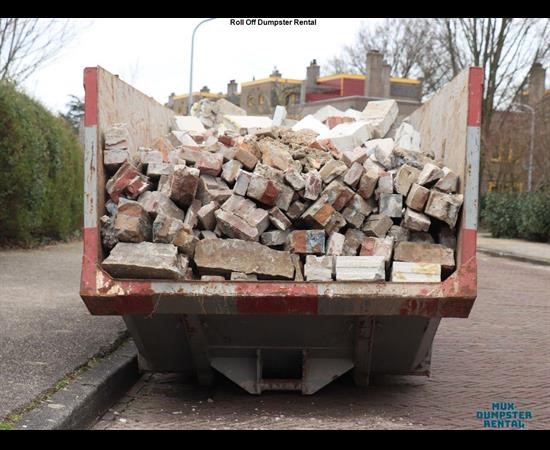
The material of dumpsters can make a big difference in waste management. Steel dumpsters can hold large amounts and are strong. They are heavy and difficult to move, and can also be susceptible to corrosion and rust. Because of these drawbacks, steel dumpsters are often less aesthetically pleasing and are usually hidden behind buildings.
Rear-loading dumpsters are also possible. These dumpsters work in the same way as front-load dumpsters but use straps and winches for lifting and lowering the dumpster. There are many sizes available, from two to ten cubic feet. These dumpsters are often used in small-scale residential projects, and can also be used in businesses and other establishments where regular waste collection is not available.
Almost any type of household junk or construction debris can be thrown into a roll-off dumpster. However, some materials must be disposed of correctly, and a dumpster that can handle those materials should be the best choice. Depending on what type of materials you are disposing of, some materials can go in a landfill while others must be disposed in a landfill. If you have a lot of heavy waste, make sure that you choose a dumpster that is under fifteen yards in size.
You can also choose from different materials for your dumpster. There are two options: a low-boy or low-boy container that can be used for dirt debris and a large, safe trailer that can be used for large construction debris. You can find a dumpster that fits your needs and your budget. You should also ensure that you comply with local regulations. You can also choose a roll-off container that is designed for general junk and non-hazardous waste.
It's important to know the size of the dumpster you will need when you plan a home remodel. Typically, a 20 yard dumpster is the right size for most projects. This dumpster will hold up to two tons of debris, so it's easy to fill up without weighing down your driveway or causing your project to take longer than planned. 20 yard dumpsters can take a variety of materials, from rotting wood and concrete to rock and dirt.
A typical 20-yard dumpster measures 22 feet in length, 7.5 feet wide and 4.5 feet tall. It holds about 20 cubic yards of waste. This size dumpster is similar to a standard truck-sized dumpster, but it's a lot bigger. It's wide enough to fit two cars, and the length is large enough to fit a smaller car inside. Once you know the size of your dumpster, you can calculate how much it will run you to rent it.
You will know how big your dumpster is and how much waste it can carry. A 20-yard dumpster can hold 2.5 to 3.5 tons of trash. This is equivalent to eight pickup truck loads. That means you can save yourself several trips to the local landfill. When you measure a dumpster, take the exterior measurement and subtract 6-8 inches from it to get the interior volume. In the case of construction waste, estimating the volume can be challenging, but estimating the amount of debris you'll need can make the process easier. A 20 yard dumpster weighs 3,040 pounds empty. The empty volume of a 20-yard dumpster doesn't really matter as much as its weight when you weigh it.
The amount of concrete that can be placed in a dumpster will vary depending on the concrete type. Large slabs of concrete weigh much more than smaller chunks. Keep track of how much concrete is being thrown into the dumpster to ensure that it doesn't get overloaded. Safety is always a concern, so make sure to place the dumpster in a level location. This will prevent concrete from slipping or tipping over.
When it comes to dumpster size, a 30 cubic yard dumpster is equivalent to approximately seventeen to eighty-three-gallon trash bags. A 40-cubic-yard dumpster can hold approximately three-and-a half pickup truck loads of trash. One cubic yard of dirt, mulch, sand, and stone can weigh between 3,000 and 4,000 pounds. A concrete pad 10x10 feet in size weighs between 1,200 to 3,000 pounds.
When it comes to concrete, how much can you fit into a dumpster? A standard rental term is for one week. However, some companies will allow you to rent a dumpster even for a shorter time. Generally, a week is enough for a concrete tear out. You may be able save hundreds of dollars if you only require a dumpster for a few days. Just be sure to contact several dumpster rental companies before deciding on a length of time for the rental.
The average cost of renting a 10 yard dumpster for concrete is $369 nationwide. A smaller, 10-yard concrete dumpster can cost as high as $569. It is common to fill a 10 yard dumpster with concrete one-third full, but that can be risky. Ultimately, if you want to dispose of as much concrete as possible, it's better to rent a roll off dumpster.
A 15-yard dumpster is sufficient for small home improvements. A larger dumpster is required for larger projects, such as a new roof and a complete basement. A 20-yard dumpster is ideal for large home improvement projects. This size is also great for roof removal and landscaping jobs. A 40-yard dumpster is required for larger projects such as demolition or building renovations.
The most common size dumpster is a thirty-yard dumpster. It measures twenty-two feet in length, eight feet wide, and five-and a half feet high. This dumpster size can hold up to 10 pick-up truck loads of waste. It is large enough to handle a medium-sized garage cleanout or home addition. It can hold four pickup-truck loads.
The size of the dumpster will depend on the type of debris you intend to dispose of. If you're planning a large-scale construction project, it's a good idea to consult with a construction dumpster rental company to get a recommendation based on the type of debris and size of the job site. Generally, the larger the dumpster, the larger the project will be. It's best to check with a local dumpster rental company for more information about dumpster sizes and pricing.
A dumpster that can hold up to 15 cubic yards of trash is necessary if you are planning on cleaning out your entire house. Consider going through your home and making a mental list of all the things you want to get rid of. If you have more items than your average home, you will need a bigger dumpster. You should also consider your yard cleanup.
Top Rated Dumpster Rental In Portland OR!