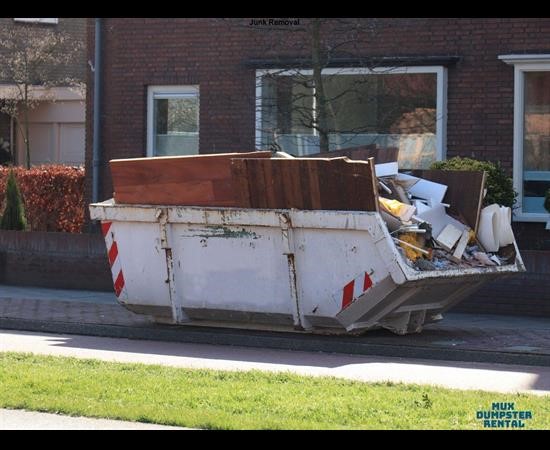
Junk Removal is a company that removes your trash and disposes it properly. There are companies in Canada, the U.S., and Australia that you can choose from. They can remove many items from your property, including old furniture and appliances. Many of these services also offer clean-up of the site afterward. If you'd like to get rid of your trash yourself, you may want to look into services such as the ones listed above.
Some companies also recycle much of the junk they remove. Recycling is an important part of keeping our planet healthy. Most companies recycle at least some of their waste. Many companies recycle more than the average rate so it's worth it to get rid your junk. By getting rid of your junk, you'll be doing your part to keep our planet clean and pollution-free. Junk removal companies take this responsibility very seriously, and many of them are committed to recycling.
The cost of junk removal varies greatly, depending on the size of the area you service and the amount of junk you'd like removed. A small, single-truck operation may only cost a few hundred bucks to hire one truck and two people to do a typical residential job. However, the cost of junk removal services can vary widely, ranging from hundreds of dollars per day to several thousand for a full-fledged fleet.
You will need to calculate how much waste you will produce when renting a dumpster. It is best to be accurate about this, so you should ask for several quotes and check if they match. Ask about hidden fees if you find a lower rental rate. Some companies may offer discounts, so ask about those as well. Ask about the cost of renting a dumpster. It is not difficult to calculate the cost of renting a dumpster. However, it is important to choose the right size.
Dumpsters are usually priced by the cubic yard and not by their length. You can have a dumpster as small as 2 yards or as large as 40 feet. The best way to choose the right size dumpster is to know how much waste you will produce. A 10 yard dumpster, for instance, will be approximately 11 feet by 8 feet by four feet and hold about two to three tons of debris. These dumpsters are perfect for small to medium landscaping projects and pre-move junk removal.
In general, the smaller sizes are cheaper than larger ones. A 15-yard dumpster works well for large-scale cleaning projects, while a 20-yard dumpster is great for small jobs such as remodeling bathrooms. Larger dumpsters are also suitable for larger projects. A 20-yard dumpster is typically twice as big as a 15-yard dumpster. This size can fit most house re-roofing projects and multiple small rooms.
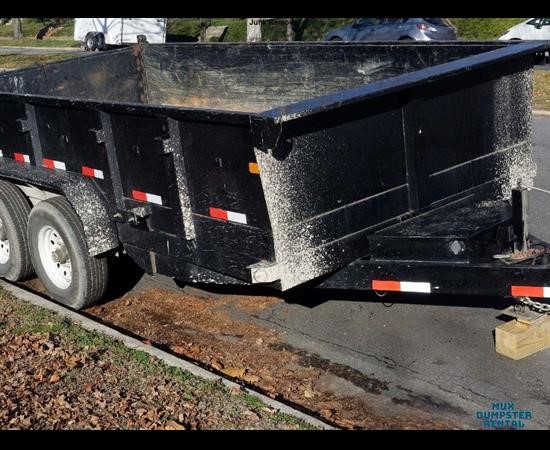
While dumpsters are great for disposing of many types of trash, some materials cannot be disposed of in them. Non-organic trash, for example, is not allowed in a roll-off dumpster. Carpets, curtains, and toys are all examples of non-organic trash. Tires, paint, batteries, and food waste are all prohibited in a dumpster. These items may attract vermin and damage dumpsters. Tires should be disposed at an auto parts shop or through the municipal trash department.
Asbestos is another material not allowed in a dumpster. This is due to its hazardous properties. It can cause damage to a dumpster and make it unsafe for other materials to be disposed in it. This type of waste may also be hazardous if it is disposed of improperly. Several types of waste, including wood and treated wood, may not be allowed in a roll-off dumpster. To avoid a fine, take the hazardous material to a local recycling facility.
You should also be aware that not all trash cans are safe for dumpsters. Some dumpster companies will allow certain types of trash. Others won't. Some can even be dangerous, so check with your rental company before you decide on which dumpster to hire. To learn more about the rules of dumpster rentals, contact Compactor Management Company. They can help you with all aspects waste management, including dumpster rentals.
The first thing to know is the size of the dumpster. Most dumpsters are 20 cubic yard or smaller. Concrete is heavy - one cubic yard of concrete weighs about 4,000 pounds or two tons. Drivers may be at risk from this heavy material. The local transportation department enforces weight limits. Avoid legal problems by never overloading a dumpster. It is better to leave some space for the dumpster to grow.
The following measurements will help you estimate the size of your dumpster: A four-inch concrete pad measures one cubic yard and weighs approximately 4,000 pounds. Remember that the amount of concrete you throw away will vary depending on the type of concrete and how you load it. Concrete won't fit in a standard dumpster for debris. If you plan to put concrete in a dumpster, choose one that can hold as much as two tons.
Next, calculate how much concrete and asphalt waste you have. These materials can be quite heavy, which may surprise you. If you have heavy materials, a 20-yard dumpster may not be able to hold its weight. Overfilling can result in additional fees. Consequently, be sure to check the weight limits of the dumpster you rent. In addition to concrete and asphalt, you can also use the same weight calculator for brick, dirt, gravel, and sod.
A big 20-yard dumpster is an ideal option for large landscaping jobs, but if the concrete is too thick, you may need a larger size. Because it is smaller, a 20-yard dumpster might be the best option for this job. Additionally, a large dumpster may not fit on your driveway or curb without a permit. Also, you should consider disposal fees. Make sure to estimate the amount of concrete you will need to dispose of when renting a dumpster.
If you are in the process of hiring a dumpster rental company, you may be wondering if you need a permit. Most municipalities require a permit if you are going to place a container in a public space. Failure to get a permit could lead to fines or jail time. You may also need to show proof that you have worker's compensation, liability insurance, or an additional insured endorsement. These documents are required by law to rent a dumpster in your city.
If you're not sure if you require a permit, you can contact your local city or homeowners association. Each city has its own rules regarding dumpster rental companies. These rules can be found on the website of your city or asked by your representative. Before renting a dumpster, make sure you call the city to confirm that you aren't paying too much. Asking before you rent a dumpster is the best way to ensure that you aren't in violation of the law.
Permit requirements for dumpster rental depend on the location. As long as your local government issues a permit, it is best to hire a company who works within your community. If you plan to place a dumpster onto public property, however, you might need a permit. You should note that permits are not required for private property, but you should check before renting a dumpster to be placed on public property.
Top Rated Dumpster Rental In Portland OR!